 Glasgow Office Cleaning
Insurance Requirements for Commercial Cleaners in Glasgow - What Every Buyer Must Know
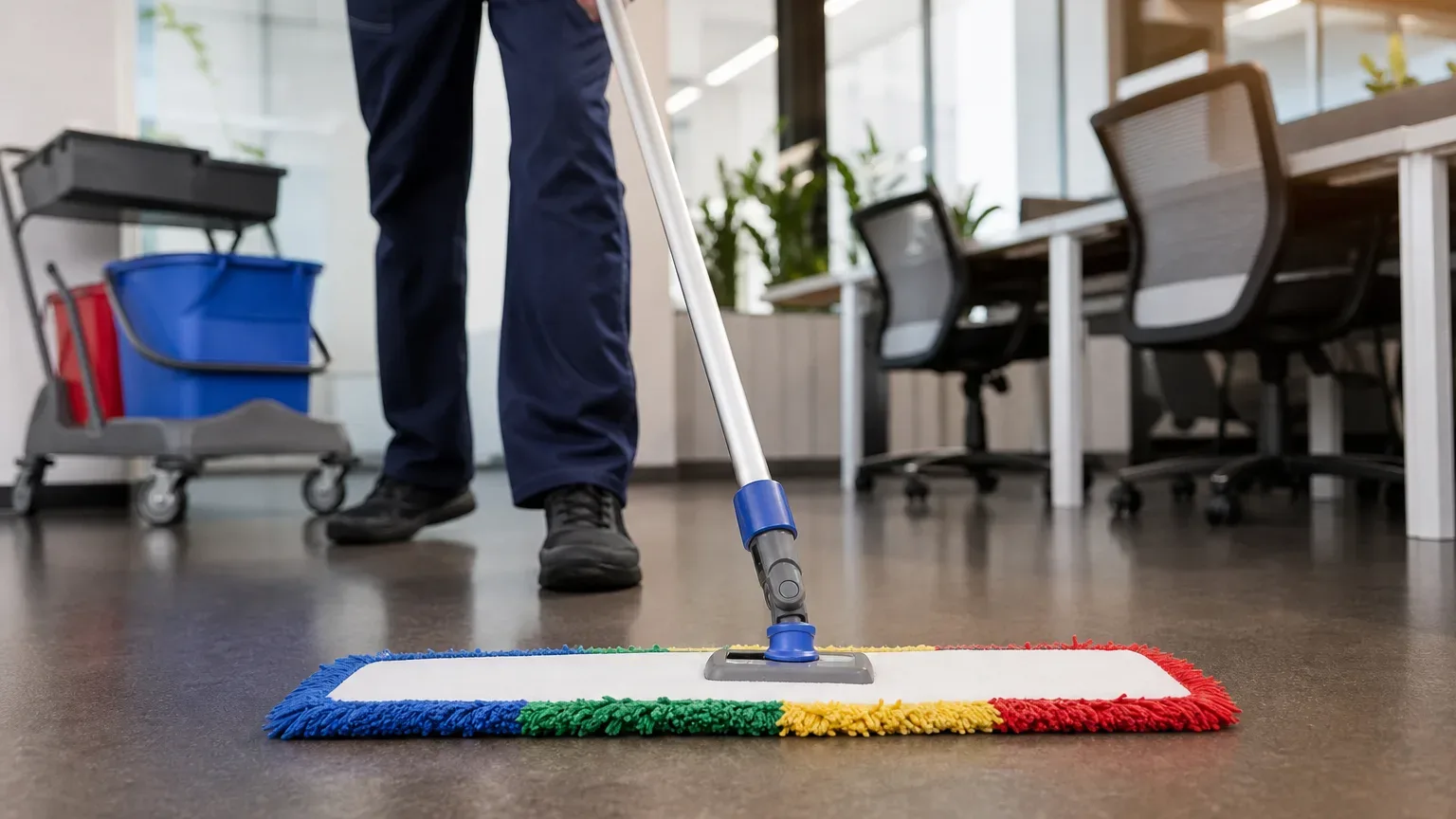
Hiring a cleaning company without verifying their insurance is one of the more avoidable risks a facilities or procurement manager can take. If a cleaner slips on a wet floor they just mopped, damages expensive office equipment, or causes a water leak that disrupts a neighbouring tenant, your business could face a liability claim. The right insurance, held by the contractor, protects you from bearing those costs.
Why Insurance Credentials Matter Before You Sign
Commercial cleaning contracts routinely involve staff accessing server rooms, sensitive client areas, and expensive fit-outs. A single incident, a broken monitor, a flooded bathroom, can produce a claim well into the thousands. Without verified insurance on the cleaning company's side, your own business insurance may be drawn in to cover the gap.
Glasgow's commercial property sector includes everything from listed Victorian offices in the Merchant City to modern business parks in Finnieston and the south side. The environments vary, and so do the risks. A cleaning company with adequate cover for a small serviced office suite may not carry sufficient limits for a multi-floor corporate headquarters.
What Type of Insurance Should Commercial Cleaners in Glasgow Have
Public liability insurance is the non-negotiable baseline. It covers third-party injury or property damage caused by the cleaning company's operations. The minimum public liability level you should accept is £5 million, and many larger contracts require £10 million or more.
Public Liability Insurance
Public liability pays out when a cleaning operative causes bodily injury to a third party or damages property belonging to your business or its visitors. If a wet-floor sign is missed and a staff member falls, this policy responds. Any credible provider of insured commercial cleaners Glasgow businesses can rely on will carry this cover and provide a certificate on request before work starts.
Employers' Liability Insurance
This is a legal requirement in the UK for any cleaning company employing staff. It covers claims made by employees who suffer injury or illness as a result of their work. The statutory minimum is £5 million, though the standard market level sits at £10 million. Ask for a current certificate of employers' liability, and check the policy expiry date.
An expired certificate is as useful as none at all.
Professional Indemnity Insurance
Less commonly required for routine cleaning, professional indemnity becomes relevant when specialist advice or bespoke service specifications form part of the contract. If a cleaning company recommends a particular floor treatment that damages expensive tiles, professional indemnity covers the financial fallout. It is worth confirming whether this applies to your specific scope of work.
Equipment and Tools Cover
Commercial cleaning involves industrial vacuum cleaners, floor scrubbers, pressure washers, and chemical dispensing systems. If that equipment is damaged or stolen on your premises, equipment cover prevents the cleaning company from billing you for replacement. Confirm whether their policy covers equipment while on client sites, not just in transit or storage.
Why Should I Hire Insured Commercial Cleaners in Glasgow
Hiring insured commercial cleaners in Glasgow transfers financial risk away from your business in the event of an accident, damage, or injury during cleaning operations. Beyond the direct financial protection, working with insured contractors is often a contractual requirement under your own lease, your client contracts, or your company's risk management policy. Failing to verify this can void your own cover in certain circumstances.
Insurance also acts as a proxy for professionalism. A cleaning company that carries and maintains correct cover is typically one that also vetoes its staff properly, maintains COSHH records, and follows safe systems of work. The insurance underwriting process itself demands a baseline of operational discipline.
How to Verify a Cleaning Company's Insurance
Asking for proof is not unusual or aggressive. Any reputable commercial cleaning provider will expect the request and produce documentation promptly. Here is a practical process to follow.
Request Certificates Directly
Ask for the actual certificates of insurance, not just a written assurance that cover exists. The certificate will show the insurer's name, the policy number, the level of cover, and the expiry date. Cross-reference the company name on the certificate with the legal entity you are contracting with. Discrepancies can indicate the cover belongs to a different entity within a group structure, and you need written confirmation your contract is covered.
Confirm the Cover Level Matches Your Risk Profile
A small Glasgow serviced office may be comfortable with £5 million public liability. A large financial services firm handling confidential data, or a healthcare provider with specific hygiene obligations, should require higher limits and may need specialist endorsements. Review your own lease and any client-facing contracts before setting your minimum threshold.
Check Renewal Dates and Set a Review Reminder
Insurance certificates expire. A policy that was valid when you signed a 12-month contract may lapse mid-term if the cleaning company fails to renew. Build a renewal check into your contract review schedule. Some procurement teams request a copy of the renewed certificate automatically each year as a standard clause in the service agreement.
Ask About Subcontractors
Some cleaning companies sub-contract specialist work such as window cleaning at height, carpet extraction, or deep sanitisation. Confirm that subcontractors are either covered under the main contractor's policy or required to hold their own equivalent insurance. This is a common gap in coverage that only surfaces when a claim is made.
What Else to Check Alongside Insurance
Insurance is one pillar of a credible contractor, not the whole structure. Staff vetting matters equally. In Scotland, the correct check is a Basic Disclosure through Disclosure Scotland, with a PVG scheme check required for any roles involving vulnerable groups. Neither a CRB check (obsolete) nor a DBS check (England and Wales) is the appropriate reference in a Scottish context.
Accreditation to BS EN ISO 9001 for quality management indicates a company has undergone external audit of its operational processes. BS ISO 14001 covers environmental management, which is relevant if your business has sustainability reporting obligations. These certifications do not replace insurance but they do indicate the kind of structured organisation that is likely to maintain its insurance properly.
A written quote response within 24–48 hours of your initial enquiry, a minimum contract term in the region of three months, and clear documentation of cleaning frequencies, whether daily, three times a week, or weekly, are all signs of a company that operates transparently. Transparent operators are easier to hold accountable if something goes wrong.
Frequently Asked Questions
Why Should I Hire Insured Commercial Cleaners in Glasgow?
Hiring insured commercial cleaners in Glasgow transfers financial risk away from your business if an accident, injury, or property damage occurs during cleaning. It also satisfies contractual obligations under many commercial leases and client agreements, and may be required to maintain the validity of your own business insurance policy.
What Type of Insurance Should Commercial Cleaners in Glasgow Have?
At minimum, they should hold public liability insurance of at least £5 million and employers' liability insurance, which is a legal requirement for any company with staff. Depending on the scope of work, professional indemnity and equipment cover may also be appropriate. Always request current certificates and check expiry dates before work begins.
How Do I Verify That a Cleaning Company's Insurance Is Valid?
Ask for the actual insurance certificates rather than a verbal assurance. Check that the company name on the certificate matches the legal entity in your contract, confirm the cover levels meet your requirements, and note the policy expiry date. Build an annual renewal check into your service agreement to avoid a lapse mid-contract.
Does a Cleaning Company's Insurance Cover Their Subcontractors?
Not automatically. Some cleaning companies subcontract specialist tasks such as high-level window cleaning or carpet extraction. You should confirm in writing whether subcontractors are covered under the main contractor's policy or required to hold their own equivalent cover, as this is a common gap that only becomes visible when a claim arises.
What Level of Public Liability Insurance Should I Require from a Commercial Cleaner?
The minimum you should accept is £5 million in public liability cover. Larger organisations, those in financial services, healthcare, or with high-value fit-outs, typically require £10 million or more. Review your own lease terms and any client-facing contracts to determine the appropriate threshold before setting contractual requirements.